
Antravia Trivia posts
A Collection of some of our fun, yet insightful, Antravia social media posts! A bit of light-hearted relief during a busy day. But of course, with our Antravia twist
ANTRAVIA NEWS
2/15/202510 min read
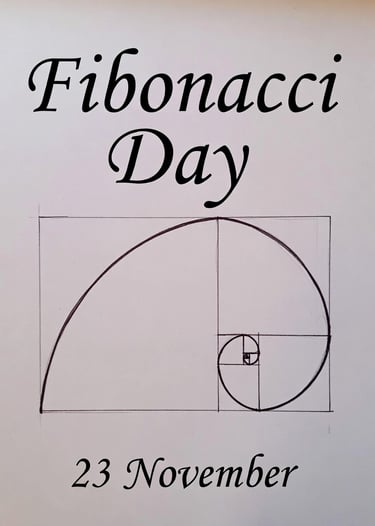
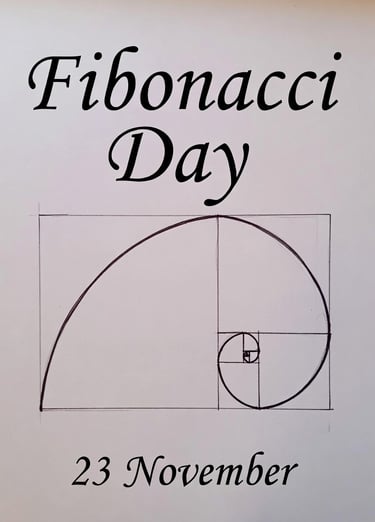
📐 Fibonacci Day: Why Antravia built its logo around the Most Powerful Ratio in Business
Most people know the Fibonacci sequence from mathematics or architecture. At Antravia, it represents something deeper. Our logo is shaped around the Fibonacci curve because the travel industry itself follows patterns of growth, balance and recurring cycles, all of which align with the golden ratio.
Fibonacci was an Italian mathematician from Pisa who introduced the sequence after studying how quantities grow in natural patterns, a problem he explored while analysing trade calculations and the reproduction patterns of rabbits to improve the way merchants understood numbers.
In travel finance, nothing grows in a straight line. Demand rises and falls in natural waves, margins expand and contract in predictable ratios and successful agencies scale in controlled spirals rather than sudden jumps. When we designed Antravia’s identity, we chose the Fibonacci curve because it reflects the kind of growth that actually lasts.
The Fibonacci ratio appears everywhere in travel and hospitality.
Pricing structures follow it more often than people realise, from dynamic hotel rates to airline fare buckets. Seasonality patterns across destinations form repeatable curves. Even cash flow stabilises in sequences when a business is run properly, with steady expansion rather than reactive ups and downs.
The Fibonacci curve inside our logo is a reminder that strong financial foundations create sustainable growth. It is about building systems, improving reporting, knowing your numbers, and growing your business the way nature grows, so steadily, proportionately and with purpose.
As agencies, hotels and tour operators prepare for 2026, this principle matters more than ever. With tighter margins, higher operating costs and more complex tax and compliance rules, growth must be intentional. Fibonacci Day is a reminder that the best results come from strategy, not chance.
If you want your business to grow the way the Fibonacci curve expands, consistently, predictably and with real financial strength, that is exactly what we help travel businesses achieve.
Antravia. Financial clarity that compounds.
#Antravia #TravelFinance #GoldenRatio #FibonacciDay #TravelAgents #TourOperators #HotelFinance #BusinessStrategy #AccountingTips #FinancialLeadership
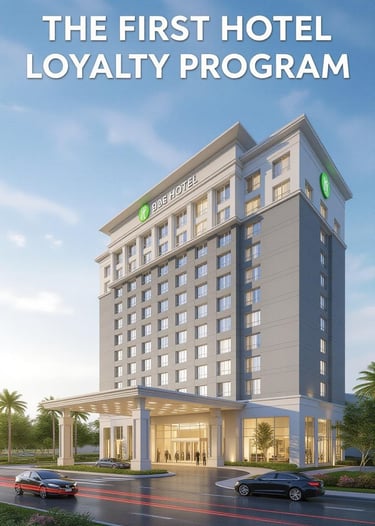
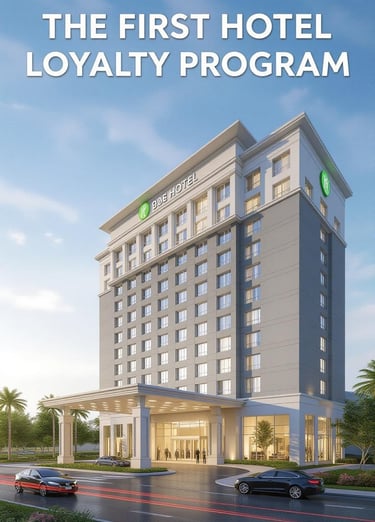
Did you know the first ever hotel loyalty program launched in 1983?
The first hotel loyalty program? Holiday Inn’s Priority Club in 1983.
Holiday Inn rolled out Priority Club, and it changed hospitality forever.
What started as a small guest perk is now a multi-billion-dollar business. Today, hotel points are practically their own currency. Marriott Bonvoy alone is valued at more than $20 billion, with points bought and sold by banks for credit cards and financial partnerships.
Loyalty isn’t just about free nights but it is also serious money that keeps travel moving.
#TravelFinance #TravelAgentFinance #HospitalityFinance #Hotels #TravelBusiness #HotelManagement #Accounting #TravelIndustry #Antravia
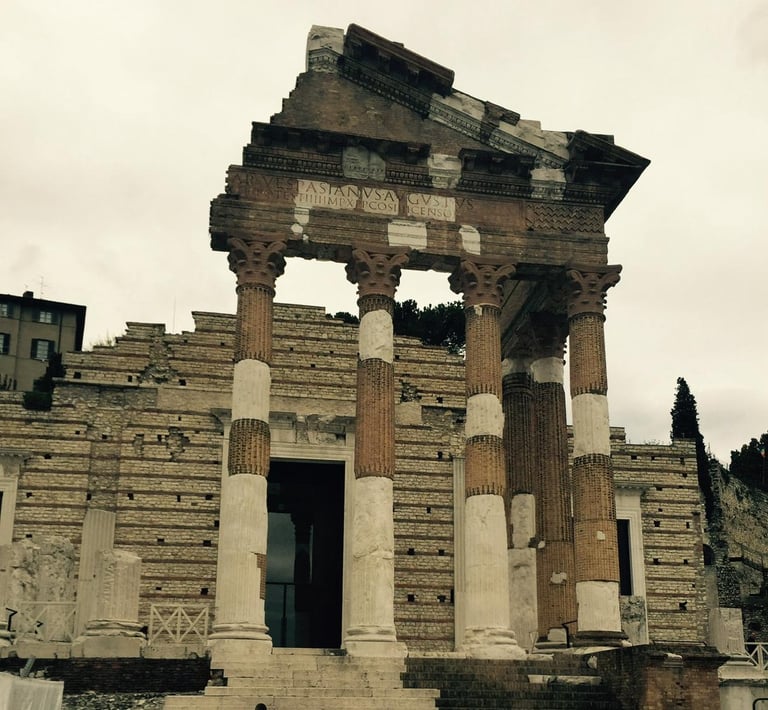
Who invented cash? 💰
The first official coins weren’t Roman at all, they actually came from Lydia (modern-day Turkey) around 600 BC, made of a shiny gold–silver alloy called electrum.
The Romans, though, took money to another level:
🏛️ They minted coins on an industrial scale.
👑 They stamped emperors’ heads on silver denarii and bronze asses.
🛡️ They paid entire armies in cash.
🚰 They used taxes in coin to build roads, aqueducts, and amphitheaters.
For Rome, coins weren’t just currency but control. If you owed Caesar, you paid Caesar and in Caesar’s coin.
Two thousand years later, travel businesses are still doing the same thing: moving money, collecting tax, and keeping the empire running… just with fewer togas!
#TravelFinance #HospitalityFinance #TravelBusiness #MoneyHistory #Antravia #HotelFinance #TourismTrivia


Did you know....
The first official traveler’s cheque was issued in 1891 by American Express, and it became so trusted worldwide that by the 1960s, hotels and banks treated them as good as cash, no questions asked.
Some agents even built their entire business on the commissions earned from selling them.
It’s a reminder that financial tools have always shaped how travel works, and that the agents and hotels who adapt first tend to profit most.
#travelfinance #travelagentfinance #hospitalityfinance #antravia #travelhistory #travelindustry #smartbusiness
The Billion-Dollar Feng Shui War Between HSBC and Bank of China in Hong Kong
If you stand in Statue Square at noon on any weekday, look up, and you’ll witness one of the most expensive games of architectural one-upmanship in history — played entirely with feng shui.
On one side: the iconic HSBC Main Building (1985), designed by Norman Foster with its exposed steel exoskeleton and escalators that dramatically bypass the ground floor. On the other: the sharp, blade-like Bank of China Tower (1990), designed by I.M. Pei, rising like a jagged crystal dagger.
To the average tourist it’s just two cool skyscrapers. To every Hong Kong taxi driver, tycoon, and serious businessman, it’s a 35-year feng shui battlefield that has cost hundreds of millions of Hong Kong dollars in “cures” and still isn’t fully settled in 2026.
Act 1 – The “Knife Blades” Attack (1990)
When the Bank of China Tower opened, its triangular edges and X-shaped supports immediately looked like giant cleavers pointed directly at the HSBC building across the street. In classical feng shui this is sha qi (殺氣) — literally “killing energy” — and the sharpest blades appeared to slice straight into the Governor’s former office (now the Court of Final Appeal) and HSBC’s headquarters.
HSBC’s mostly Cantonese staff panicked. Share price rumours swirled. Senior management quietly called in feng shui masters.
Act 2 – HSBC’s Counter-Attack (the famous “cannons”)
Foster’s original design was purely structural, but in the early 1990s two very un-British additions appeared on the roof of HSBC:
Two maintenance crane-like structures were quietly repositioned and repainted gun-metal grey.
They were angled to point directly back at the Bank of China Tower.
Hong Kong instantly nicknamed them “the cannons” (大炮). Feng shui explanation: cannons = fire element + military symbolism = the only acceptable way to return sha qi to sender. HSBC has never officially admitted they are cannons, calling them “maintenance units”, but every master in town knows the truth.
Act 3 – Bank of China Strikes Back (water feature offensive)
BOC wasn’t finished. In the mid-1990s they installed a large rooftop water feature that cascades down the northern side of the tower — symbolically “drowning” the cannons’ fire energy with water. HSBC responded by that point had already added more defences:
The famous pair of bronze lions (“Stephen” and “Stitt”) at ground level were rubbed so often by staff for luck that their noses and paws are polished gold.
Two smaller “cannon-like” structures appeared on lower rooftops.
The entire building is raised on stilts and the escalators bypassing the ground floor are classic feng shui — evil spirits supposedly only travel in straight lines and cannot climb escalators.
Act 4 – China Bank Gets a Haircut (2000s)
By the early 2000s, complaints reached Beijing. The triangular peaks were deemed too aggressive even by mainland standards. A subtle but extremely expensive fix was applied: decorative “ruyi” (如意) finials — traditional auspicious objects — were added to soften the sharp edges. Cost: rumoured HK$80–100 million.
Act 5 – HSBC Doubles Down (2010s renovation)
During the 2013–2017 renovation of HSBC’s headquarters, two more symbolic upgrades appeared:
A massive glass “energy shield” (officially just cladding) on the side facing BOC.
A rooftop garden with carefully placed trees and water features that masters say create a “protective mountain” behind the cannons.
2026 Status – Who Won?
Ask ten different masters, get ten different answers.
HSBC camp says: “Our cannons still point at them, and our stock is fine.”
BOC camp says: “We added ruyi and water — their fire is extinguished.”
Neutral masters say: “Actually, the real winner is the old Standard Chartered Bank building next door — it’s lower, rounder, and has zero sha qi pointed at it.”
The moral for travel agents and tour operators? When you bring mainland VIP groups to Central, never skip the HSBC → Bank of China feng shui story. Charge an extra HK$100 per head for the “Billion-Dollar Energy War Walking Tour” — it’s the only battle in Hong Kong where both sides spent nine figures and nobody actually lost money (HSBC and BOC are still two of the most profitable banks in Asia).
Want the exact 12-minute route with photo spots, Cantonese/Mandarin/English scripts, and the hidden third building that secretly benefits the most from the fight? Drop your email below and I’ll send the tour operator kit (ready for 2026 Lunar New Year groups).
Because in Hong Kong, even the skyscrapers play by dragon rules.
The Secret Winner in the Middle: The Old Standard Chartered Bank Building (2004–present)
While everyone is busy staring at the HSBC “cannons” and the Bank of China “blades”, the real feng shui jackpot quietly sits in the dead centre of the battlefield: the Standard Chartered Bank Headquarters at 4–4A Des Voeux Road Central (the sleek black-glass tower completed in 1990 and renovated in 2004).
Locals call it “the building that drinks everyone else’s soup” (食兩家茶禮 – literally “eating wedding banquets from both families”).
Here’s why, according to every serious Hong Kong master in 2026, Standard Chartered is the biggest winner of the entire 35-year feng shui war:
Perfect Defensive Shape The building is almost perfectly rectangular with gently rounded corners – classic “gold ingot” (元寶) shape = attracts and stores wealth, never leaks it.
Zero Sharp Edges Pointed at It
HSBC’s cannons point diagonally across at BOC.
BOC’s worst blades point at HSBC and the old Government Hill. → Standard Chartered sits exactly in the “eye of the storm” and receives zero sha qi.
It Gets All the Reflected Good Energy The mirrored black glass façade acts like a giant convex ba gua mirror. Any leftover aggressive energy from the two giants throw at each other bounces straight onto StanChart’s surface and (according to masters) gets converted into wealth qi that flows inside.
Water + Mountain Support
Front: Directly faces Victoria Harbour (water = cash flow).
Back: Nestled against Government Hill (mountain = stable backing).
Left & right “dragon & tiger” embrace perfectly balanced.
The Hidden 2003–2004 “Upgrade” During the last major renovation, StanChart quietly did three things that no one talks about publicly:
Installed a massive indoor waterfall atrium on the ground level (water directly feeding the “gold ingot”).
Placed two giant feng shui crystal spheres in the lobby (invisible to most visitors but visible if you ask to see the “art installation”).
Changed the main entrance angle by 3 degrees to “scoop” the reflected energy from the HSBC–BOC fight.
Result? While HSBC and BOC spent hundreds of millions on cannons, water features and ruyi finials, Standard Chartered spent a fraction and simply positioned itself as the third party who benefits from the entire argument.
Ask any taxi uncle in Central: “HSBC 同中銀打風水, 邊個贏?” 99 % will grin and answer: “渣打啦!佢坐中間飲兩家湯!” (“StanChart lah! It sits in the middle and drinks soup from both houses!”)
Mini Tour Script You Can Sell in 2026 (3-minute stop)
“Everyone thinks this is a war between HSBC and Bank of China… but look at the black building in the middle. In feng shui we call this ‘the crane clam fight, the fisherman wins’. Two giants fight for 35 years, spend billions on cannons and knives, and the quiet one in the centre collects all the good energy. That’s why Standard Chartered never joins the drama — they’re too busy counting the money that bounces off the other two buildings!”
Your mainland VIPs will love it. The photo spot (looking up from the HSBC lion with both towers + StanChart in frame) is pure Instagram gold.
Want the exact GPS coordinates for the best group photo + a one-page printable “Feng Shui War Map” with Cantonese explanations for your guides? Say the word and I’ll send it over.
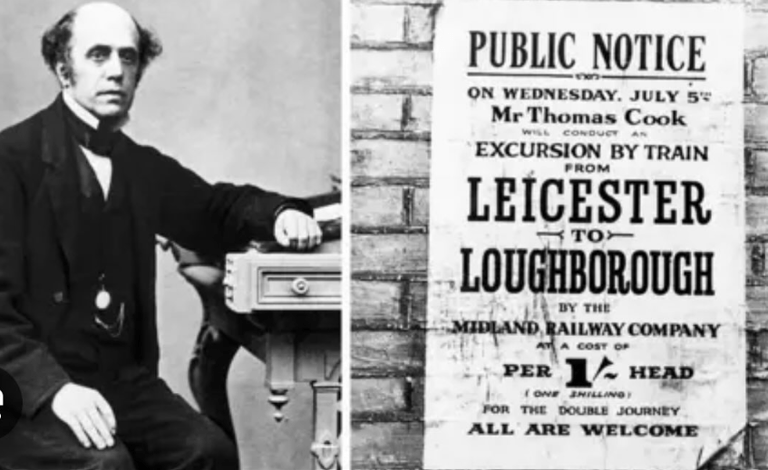
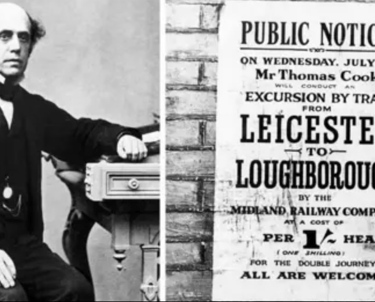
Did you know the first travel agency dates back to 1841?
Thomas Cook, an Englishman, started what would become the foundation of the modern travel industry nearly two centuries ago. His goal at the time was to offer constructive activities for members of the temperance movement who wanted alternatives to alcohol-focused gatherings.
In 1841, Cook chartered a train to take a group of campaigners from Leicester to Loughborough. That single excursion marked the beginning of his business, which grew from organizing local day trips into a full travel agency.
Over the following decades, his company, Thomas Cook & Son, became known for creating packaged tours. These combined transportation, accommodations, and printed guides into one clear price, making travel more accessible to the middle class. By the late 1870s, the agency was organizing tours across Europe, to Egypt, and even offering world tours.
The model Cook built, combining scale, structure, and guidance, still shapes the travel industry today. While technology has changed how trips are booked, travelers still value the same things they did in 1841. They want clear pricing, trusted expertise, and someone to make the process smooth.
At Antravia, we help travel agents and hotels grow their businesses with the same principles that built Thomas Cook into a household name, using modern tools and financial strategies to keep you profitable and prepared for the future.
#travelagentlife #antravia #travelagentfinance #travelagents
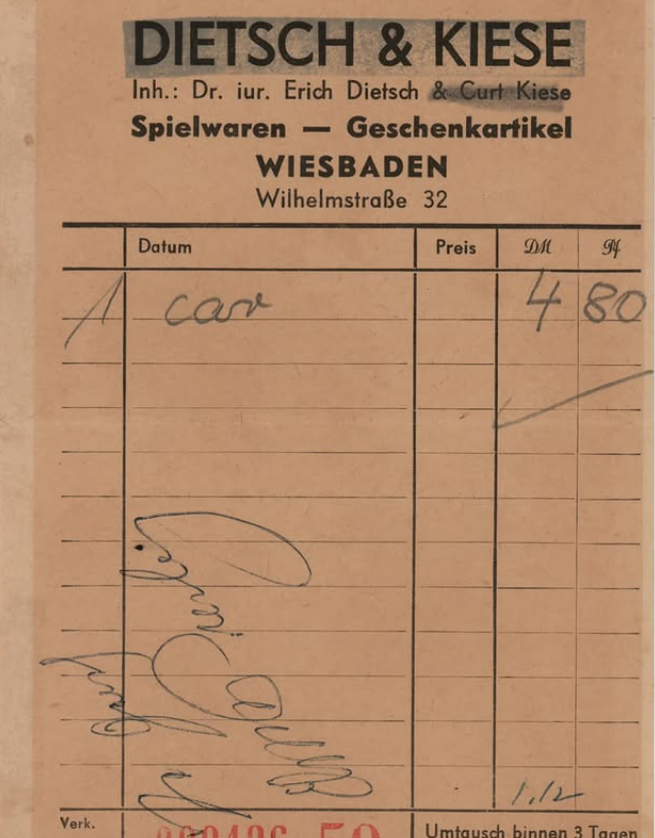
🧾 A hotel receipt signed by Elvis Presley sold for $2,550.
It wasn’t the hotel that made it valuable. It wasn’t the food. It was the signature… and the story.
In travel, value isn’t always about what’s delivered. It’s about how people see it, remember it, and talk about it.
That’s true for your services too.
At Antravia, we work with hotels and travel agents to understand where the real value lies…. and how to protect it.
#travelfinance #travelagentfinance #antravia #hospitalityfinance #pricingstrategy #knowyourvalue
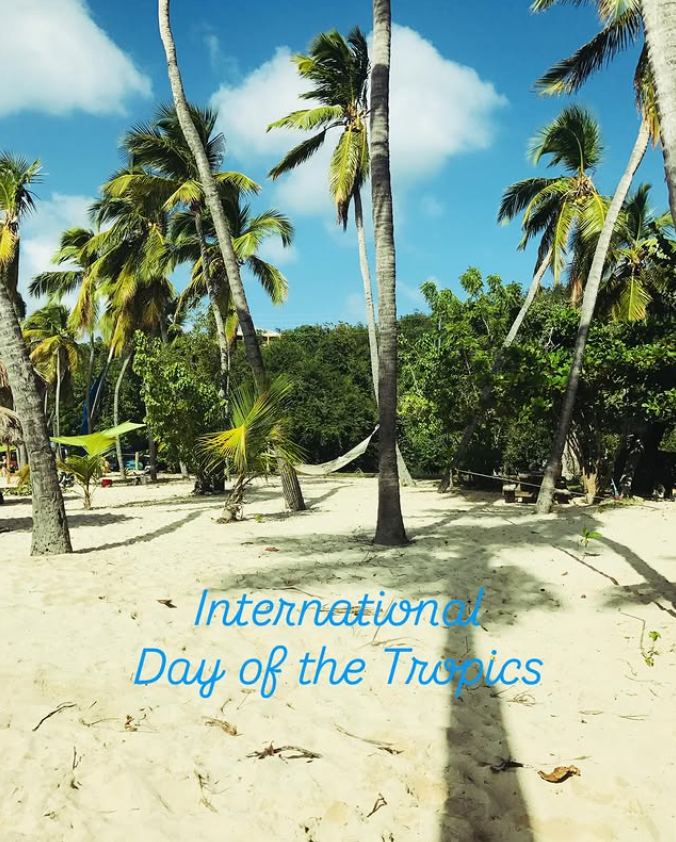
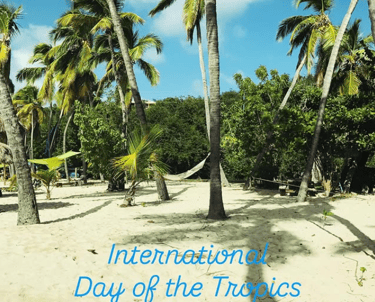
📍June 29 — International Day of the Tropics
Where the sun rises early, the ecosystems go deep, and the accounting? Let’s just say it includes coconuts and coral offsets
The tropics cover 40% of Earth
House 80% of biodiversity
And are home to most of the world’s emerging markets
At Antravia, we’re here for the shade, the spreadsheets, and the global shifts that start at the equator
#InternationalDayOfTheTropics #tropics #climatefinance #sustainabledevelopment #globalmindset #culturalinsight #financialliteracy #antravia #travelfinance #travelagentfinance
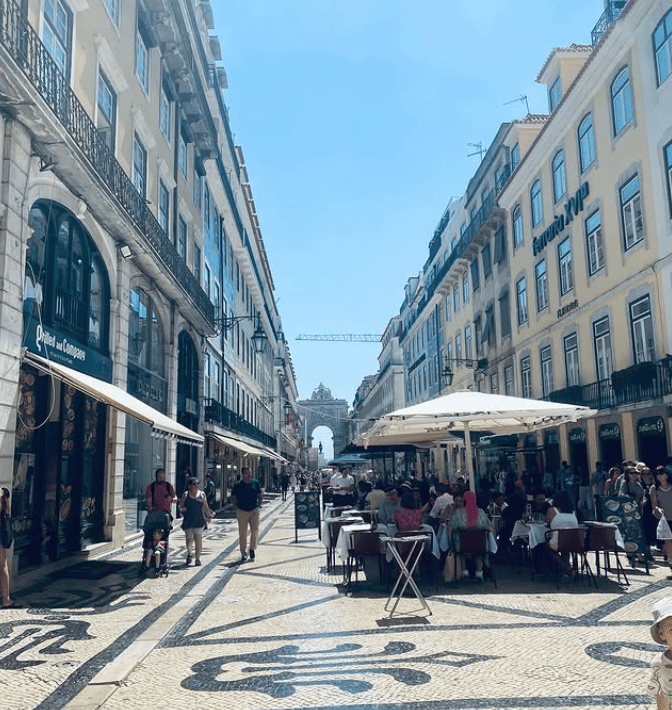
I’ve been lucky enough to visit Portugal, and came across this gem of a story while going through my photos.
Back in the 1930s and ’40s, sardines weren’t just food — they were money.
Locals used tinned fish to pay wages and buy goods.
No banks. Just trust in what mattered and a currency you could actually eat.
At Antravia, we believe value doesn’t always look like a banknote. Smart strategy, timing, and trust.. We think that’s the real currency.
#AntraviaAdvisory #PortugalTravel #FXTrivia #SardineEconomy #MoneyStories #TravelFinance
Antravia,
Travel Finance
Where Travel Meets Smart Finance
Email:
Contact us:
Antravia Advisory
© 2025. All rights reserved. | Disclaimer | Privacy Policy | Terms of Use | Accessibility Statement
Antravia.com - Global site of the Antravia Group.
Antravia.com | Antravia.co.uk | Antravia.ae |
Finance.travel | Tax.travel | Consultancy.travel | VAT.travel | VAT.claims |
USSales.tax | EuroVAT.tax | UKVAT.tax |
contact@antravia.com
941 W Morse Blvd suite 100
Winter Park
Florida
32789